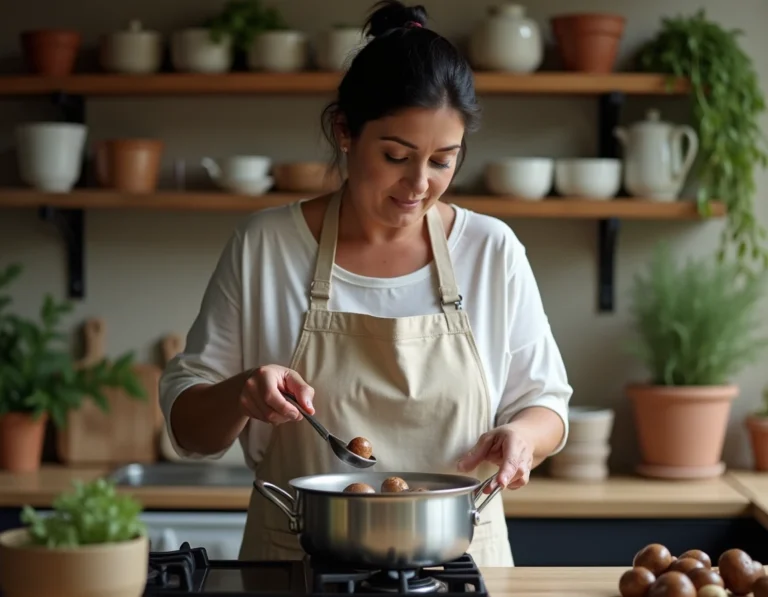
Elevating your dishes on a daily basis requires neither rare ingredients nor professional equipment. The difference between a decent dish and a memorable one often comes down to a few finishing touches, a better balance of flavors, and a seasoning logic that restaurant kitchens apply systematically.
Salt, acid, and umami: the three underutilized flavor levers in home cooking
Most home-cooked dishes lack flavor depth, not because the recipe is bad, but because the seasoning is incomplete. Salt is not just for “salting”: when added in successive layers during cooking, it amplifies every flavor present in the dish.
Acidity plays a similar role. A splash of apple cider vinegar in a lentil soup, a few drops of lemon on grilled fish, or a spoonful of yogurt on a curry transforms a flat dish into a vibrant one. Acidity enhances flavor without adding calories or salt.
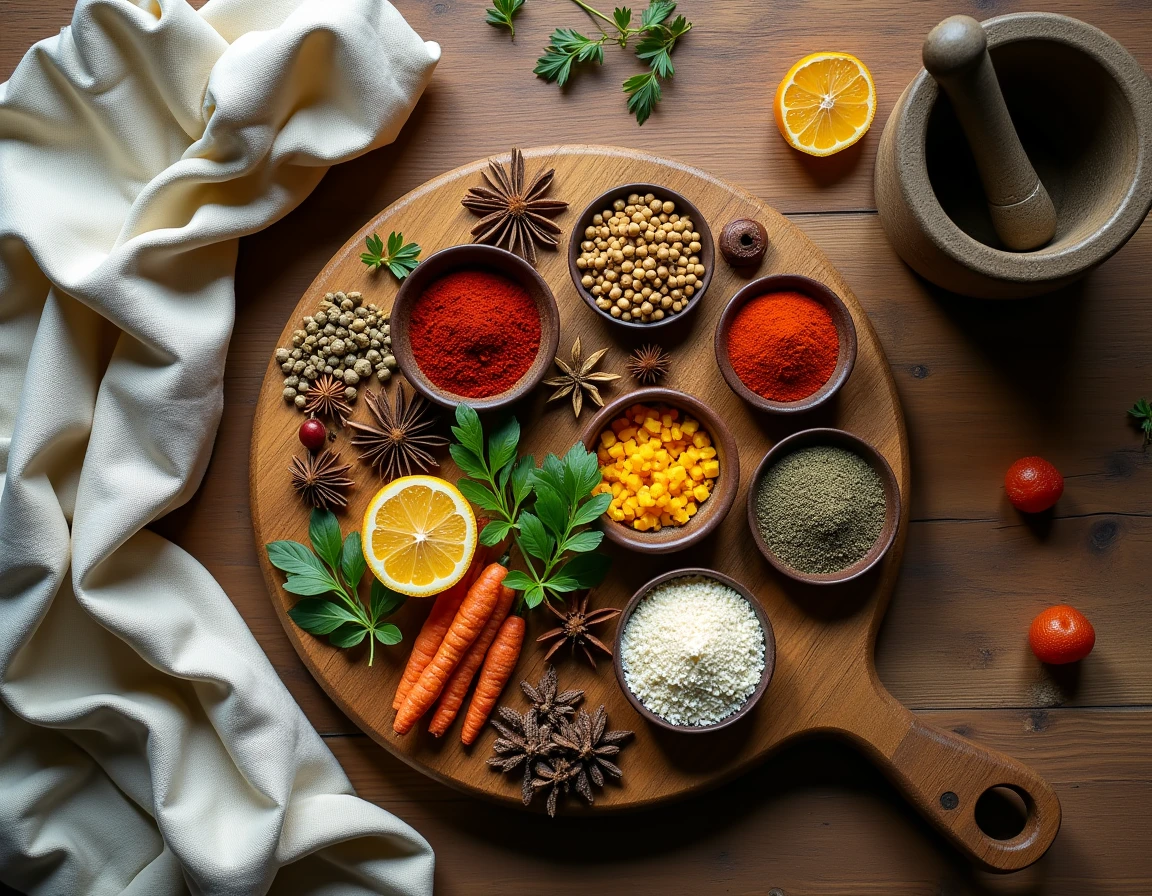
Umami, the fifth taste found in soy sauce, parmesan, miso paste, or concentrated tomatoes, remains the least used lever in everyday cooking. A teaspoon of white miso in a vinaigrette or soy sauce in a bolognese adds depth that hours of extra cooking would not achieve. You will find detailed pairings on the L’Art du Goût website to explore these combinations.
| Flavor lever | Examples of common ingredients | Effect on the dish |
|---|---|---|
| Salt (added in layers) | Fine salt, fleur de sel, capers, anchovies | Amplifies existing flavors |
| Acidity | Lemon, vinegar, white wine, yogurt | Provides contrast and freshness |
| Umami | Parmesan, miso, soy sauce, concentrated tomato | Creates depth and roundness |
| Aromatic fat | Brown butter, finishing olive oil, sesame oil | Links flavors and adds shine |
Short cooking techniques to elevate your dishes without complex recipes
Deglazing is the most cost-effective technique in home cooking. After searing meat or vegetables, pouring a bit of wine, broth, or even water into the hot pan allows you to recover all the caramelized juices stuck to the bottom. Deglazing transforms a mundane cooking juice into restaurant-quality sauce.
Another quick gesture is the “contrast topping” at the end of cooking. A hot, melting dish benefits from receiving a crunchy or fresh element at the last moment. Toasted sesame seeds on a curry, garlic-rubbed croutons on a soup, fresh chopped herbs on pasta.
Finishing with fat: an accessible professional reflex
The shiny sauces of restaurants owe nothing to a secret ingredient. A knob of fresh butter added off the heat is enough to emulsify a sauce, giving it body and a glossy appearance. Finishing olive oil (poured raw, never heated) serves the same purpose on grilled vegetables or soups.
This gesture works because fat is a flavor carrier: it transports aromas and makes them perceptible longer in the mouth. A sauté of vegetables seasoned with salt, lemon, then finished with a drizzle of quality oil is worlds apart from the same sauté served as is.
Cooking leftovers and peels: more flavor, less waste
Recent culinary content shows a clear shift towards valuing leftovers and parts that are usually thrown away. It’s not just a matter of economy: peels and greens often concentrate more flavor than the vegetable itself.
- Carrot and radish greens can be turned into pesto or soup, with a more pronounced herbaceous flavor than classic basil.
- Parmesan rinds, added to broth or risotto while cooking, release umami and melt slowly without leaving an unpleasant texture.
- Roasted chicken carcasses, covered with cold water and simmered for a few hours, produce a homemade stock that is incomparably more flavorful than an industrial bouillon cube.
- Stale bread, blended into breadcrumbs or toasted into croutons, provides the crunchy texture that most everyday dishes lack.

Balancing a dish: the checklist at the end of cooking
Experienced cooks systematically taste before serving, not to see if the dish is “good,” but to check if a flavor axis is missing. A bland dish rarely lacks everything: it usually lacks just one element.
The method involves going through four quick questions before plating:
- Is the dish salty enough? If the overall flavor seems flat despite present flavors, add a pinch of salt or a naturally salty ingredient (capers, olives, soy sauce).
- Does it lack acidity? If the dish seems heavy or monotonous, a splash of vinegar or lemon juice will revive it.
- Is there a texture contrast? A dish that is entirely soft quickly becomes dull. Adding a crunchy element (nuts, seeds, herbs) changes the overall perception.
- Is the finishing fat present? If the sauce seems dull, a knob of butter or a drizzle of raw oil adds binding and shine.
This checklist works on all dishes, from pasta to stir-fries to composed salads. It effectively replaces lengthy recipes with an adjustment reflex that every cook can develop over time.
Ultimately, elevating your cooking on a daily basis relies on a few habits: layering salt, adding acidity at the end of cooking, deglazing, finishing with quality fat, and checking balance before serving. These gestures require neither extra time nor a special budget, and their effect on the taste of meals is immediate.