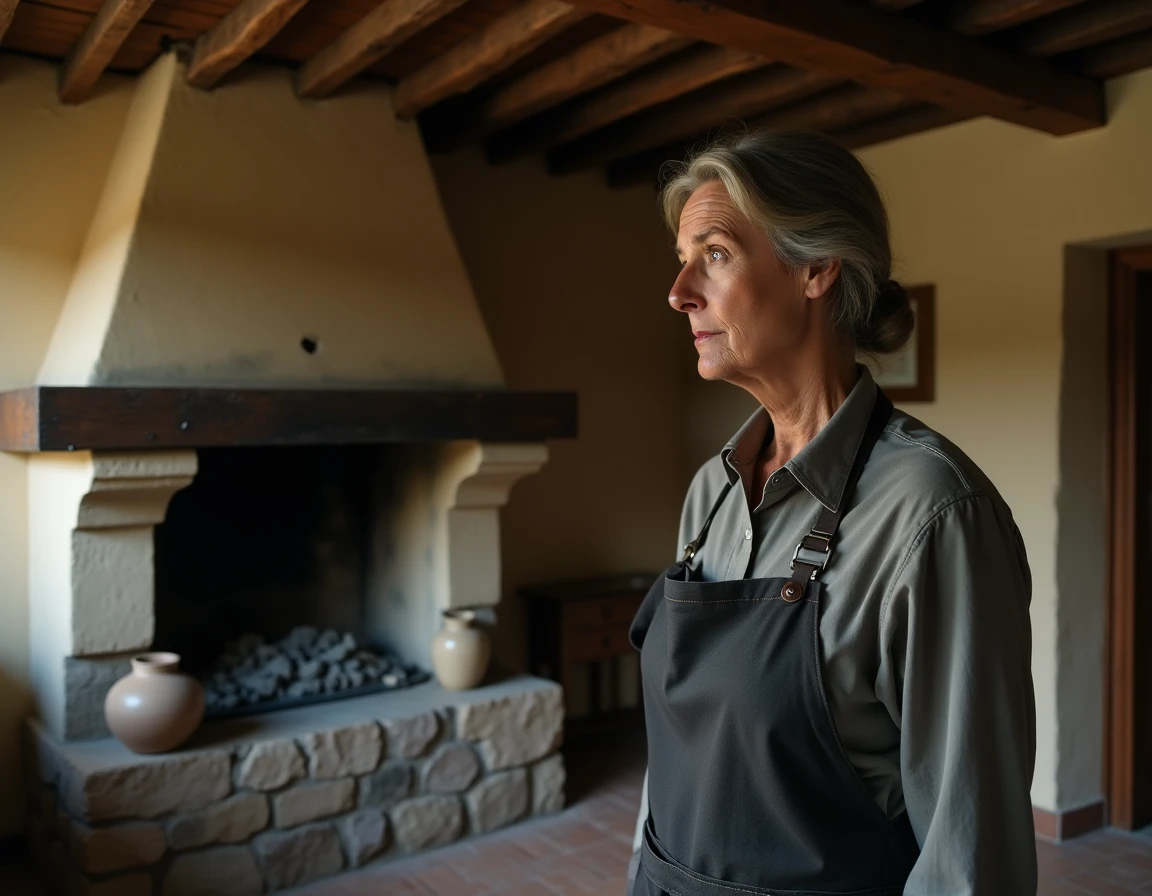
Bringing ashes from a chimney, barbecue, or outdoor fireplace inside a house triggers, in several popular traditions, a vague discomfort. The belief associates this gesture with an invitation to misfortune, sometimes even with a disturbance of the souls linked to the hearth. Behind this superstitious reflex lie layers of meaning that intertwine history, religious symbolism, and ancient domestic practices.
The sacred fire and ash: a symbolism older than one might think
In most Mediterranean and Nordic civilizations, the fire of the hearth represented much more than a source of heat. It embodied the life of the family group, its continuity, its protection.
The ash, as a residue of this fire, carried an ambivalent charge. On one hand, it signaled the end of a cycle, the death of the flame. On the other, it preserved a trace of past energy, much like a thermal ghost.
In Roman times, the cult of Vesta mandated that the hearth should never be allowed to go out. The ashes were treated with a respect akin to funeral rites. Moving them carelessly was akin to disturbing the domestic order protected by the spirits of the place. This idea has traversed the centuries in various forms, but the core remains the same: the ash retains a symbolic memory of the fire, and handling it without a clear intention exposes the house to imbalance.
To better understand the origins of these beliefs related to the domestic hearth, one can discover Senior Cybernet, which approaches the subject from a complementary angle.
Popular beliefs about ashes: what rural traditions say
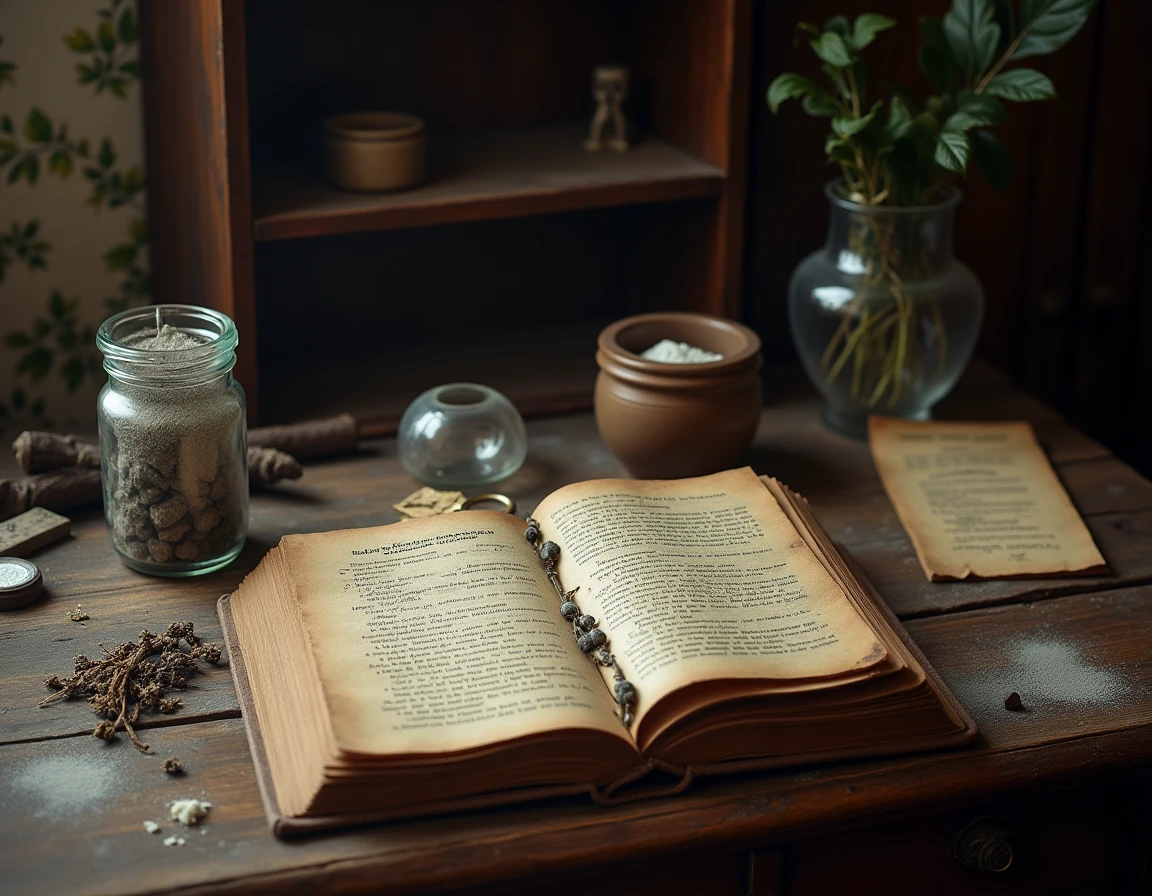
Superstitions surrounding ashes vary by region, but several constants recur in the European rural world.
Night as a forbidden moment
Taking out or moving ashes after nightfall is considered a risky gesture in many traditions. Darkness, associated with the devil and wandering spirits, would make the ash receptive to harmful influences. Bringing ashes home at night would be akin to opening a door that daylight normally keeps closed.
The table as a sacred space
Placing ashes on a table was seen as a serious offense in certain French countryside areas. The table, a place for shared meals, symbolized abundance and family communion. Depositing a residue of combustion, dead matter by definition, amounted to contaminating this living space.
The link with the souls of the deceased
In Breton and Alsatian beliefs, the ashes of the family hearth contained a part of the ancestors’ souls. Dispersing them anywhere or reintroducing them into the house after having taken them out disturbed the rest of these souls. This idea aligns with the treatment of funeral ashes, where the place of deposition matters as much as the act itself.
The Christian influence on the superstition of ashes in the home
Christianity has profoundly shaped the perception of ash in the Western world. Ash Wednesday, for example, uses ash as a symbol of penance and mortality. “You are dust, and to dust you shall return”: this phrase has anchored in the collective imagination the idea that ash belongs to the realm of death and renunciation.
From the Middle Ages onward, several texts by preachers associated the careless handling of ashes with a form of unintentional invocation. The devil, a central figure of medieval fear, was thought to reside in residual materials, those that the purifying fire had not completely consumed.
This interpretation was reinforced by the cult of the protective saints of the hearth. Saint Anthony or Saint Joseph, depending on the region, watched over the home. Bringing ashes from outside, from an unblessed or non-domestic fire, constituted a transgression of this protection. The act was not trivial: it introduced into the consecrated space a material of uncertain origin.
Practical reasons behind the belief in ashes as bringers of misfortune
The most tenacious superstitions often rest on a pragmatic foundation that history has covered with symbols. Ashes are no exception.
- Fine ashes suspended in the air irritate the respiratory tract and dirty interiors. Before the advent of modern ventilation systems, handling ashes in an enclosed space could provoke prolonged coughing fits, interpreted as a sign of a curse.
- A container of still-hot ashes brought inside posed a real fire risk. Several domestic disasters in the countryside originated from poorly extinguished embers, and the superstition served as a rule of caution passed down through generations.
- Water mixed with ashes produces lye, a corrosive agent. Spilling wet ashes on wood or fabric caused tangible damage, reinforcing the idea that this material carried within it a destructive effect.
The superstition functioned as a domestic safety code before scientific explanations took over. Saying “it brings misfortune” was more effective than a lengthy discourse on incomplete combustion.

Ashes and superstitions today: persistence or decline
These beliefs have not completely disappeared. In some regions, people still avoid emptying an ashtray after a certain hour or refuse to bring home ashes from another place.
The phenomenon is also observed in the management of funeral ashes. Legislation now regulates their storage, but the reluctance to keep an urn at home often exceeds legal boundaries. A sense of discomfort persists, fueled by centuries of narratives where ash remained a liminal material, between the world of the living and that of the dead.
The current interest in ancient traditions and protective practices for the hearth (feng shui, purification by sage, seasonal rituals) shows that the symbolic relationship between a person and their home remains active. Ash still occupies a special place, even when the person handling it cannot name the belief that holds them back.
What is striking about this superstition is its coherence across eras and cultures. Fire protects, ash reminds that this protection has an end. Bringing this reminder into the living space is, symbolically, to invite the end itself. The logic is not rational, but it has endured long enough to deserve understanding before being dismissed.