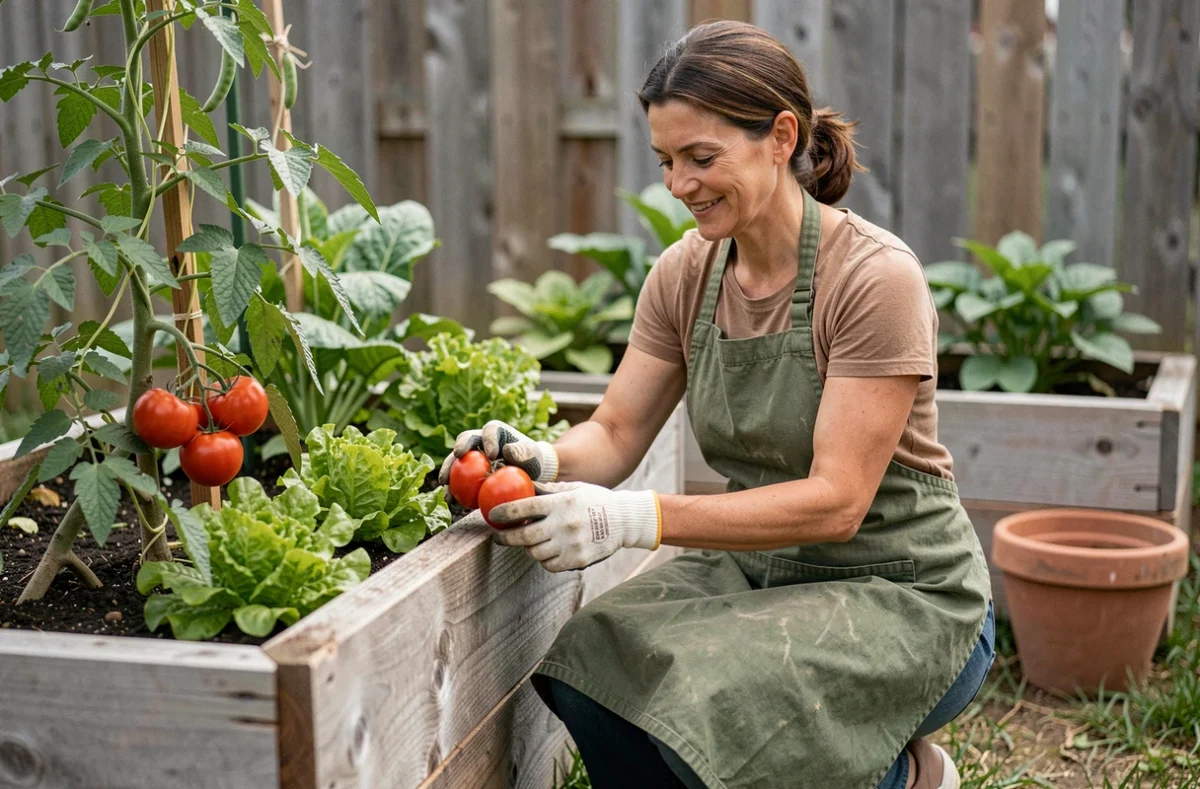
A plot of land just a few metres across, seeds sown too late, an unexpected drought in June: most home vegetable gardens produce far less than their size would allow. To harvest vegetables all year round, you can’t just plant in spring and wait.
You need to keep crops moving through successive cycles, choose varieties suited to each climate window, and manage water before it runs short. Here are seven practical techniques that, combined, can turn an ordinary vegetable garden into a productive plot for all twelve months of the year.
1. Sow successive crops every three weeks
Sowing just once in spring means accepting a peak harvest in July, followed by very little in September. To enjoy a more regular supply, sow the same vegetable in batches about three weeks apart. Radishes, lettuce, dwarf beans and spinach are particularly well suited to this approach.
For example, sow one row of lettuce under fleece in early March, another in late March, and a third in mid-April. Each row reaches maturity at a different time, preventing waste and spreading production over several months. The same approach works for beans sown between May and July.
To keep track of successive sowings, note the date of each one and the estimated time to harvest in a paper calendar or spreadsheet. You’ll quickly see which time slots are empty and which vegetables could fill them. The resources available in Cultivons nos Racines’ vegetable garden section explain these crop sequences in detail.
2. Rotate crops across four zones
Planting tomatoes in the same spot three years in a row depletes the soil and encourages pathogens. Crop rotation involves dividing the vegetable garden into four zones and moving vegetable families around each year: fruiting vegetables, leafy vegetables, root vegetables and legumes.
Legumes fix atmospheric nitrogen in the soil, benefiting nutrient-hungry crops planted in the same spot the following year. Broad beans or peas grown in winter prepare the ground for summer tomatoes or courgettes.
This system requires a garden plan, even a basic one. Draw the four zones, label each with the crop family grown there this year, then move each family forward one zone every season. The soil stays fertile for longer without heavy applications of fertiliser.
3. Use a thick mulch to reduce watering
Water is the most unpredictable resource in a vegetable garden. Local water-use restrictions may apply to vegetable gardens, depending on the watershed and the severity of the drought. Check the restrictions in force in your municipality before planning irrigation so you’re not left without options in the middle of summer.
A thick layer of straw, hay or wood chips spread around the plants reduces evaporation and keeps the soil cool, even in hot weather. You won’t need to water as often, and the soil stays alive beneath its protective layer.
Mulch has another benefit: as it breaks down, it feeds soil organisms. This replenishes organic matter without digging over the soil, preserving its structure and microbial life.
4. Install a rainwater collection system before winter
Waiting until July to look for an alternative watering solution is too late. Rainwater collection should be set up in autumn or winter, when rainfall fills the tanks.
- A tank connected to the gutter of a garden shed or house can collect several hundred litres in a single rainfall.
- Positioning the tank at a height allows you to water by gravity, without a pump or electricity.
- Covering the tank with a lid or mesh prevents mosquitoes from breeding and limits evaporation.
Planning water storage in winter helps secure your summer harvest. When restrictions are in place, that reserve can make the difference between a thriving vegetable garden and a dried-out one.
5. Grow under cover to extend the season by two months
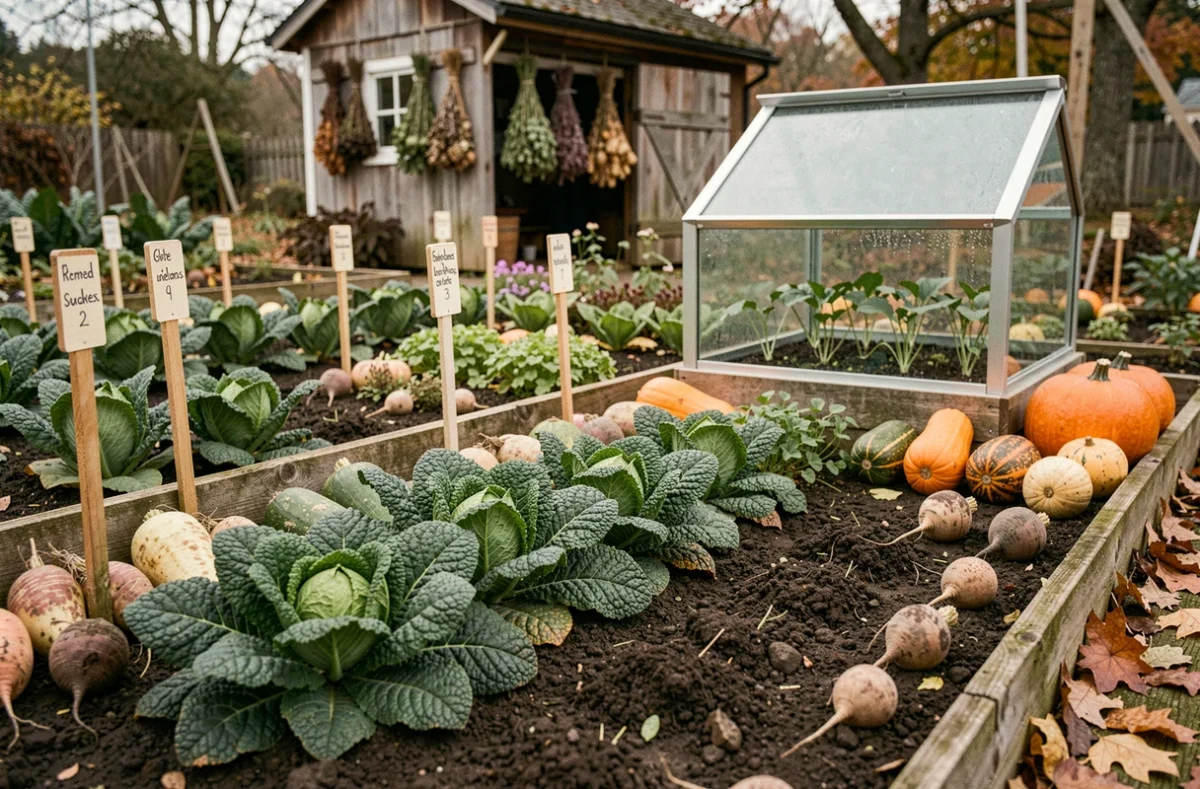
A polytunnel, even a small one, or a simple glazed cold frame can extend the growing season by several weeks at either end. In most parts of France, you can start sowing under cover as early as February and continue harvesting until November.
Reports from gardeners’ associations in Vendée show that growing under cover lets you start summer crops earlier in spring, then begin another round of sowing at the end of summer for autumn harvests. Cover protects plants from both cold and excessive rain, reducing fungal diseases on tomatoes and cucurbits.
In midsummer, a greenhouse can overheat. Open it wide during the day or install shade netting to prevent the high temperatures inside from scorching the plants. This is the main challenge of growing under cover, and it varies depending on the region and the structure’s orientation.
6. Combine plants to make use of every inch
Growing just one species per row leaves some space unused for part of the season. Companion planting lets you fit short-cycle crops between longer-growing ones.
- Radishes, which are ready to harvest in a month, can be sown between rows of carrots, which take four months to mature.
- Lettuce can fill the space at the base of tomato plants while they grow upwards.
- Climbing beans can use corn stalks for support, while squash spreads across the ground between the plants.
These combinations increase production per square metre without depleting the soil, provided you rotate crops from year to year. Each square metre can then produce several successive crops in the same season.
7. Track local conditions instead of following a fixed calendar
Sowing guides give average dates, but the actual climate in a particular plot varies from year to year. Heatwaves sometimes arrive as early as June, while a dry spring can throw the whole plan off course.
You can improve your results by monitoring three practical indicators: soil temperature, measured with a garden thermometer inserted a few centimetres below the surface; the soil’s actual moisture, checked by touch; and the ten-day weather forecast. Sow when the soil is ready, not when the calendar says to, to avoid poor germination and wasted seeds.
Local monitoring matters all the more because frost dates and dry spells shift from year to year. Adjusting sowing and planting to the conditions you observe in your own plot remains the most reliable way to keep your vegetable garden productive all year round.