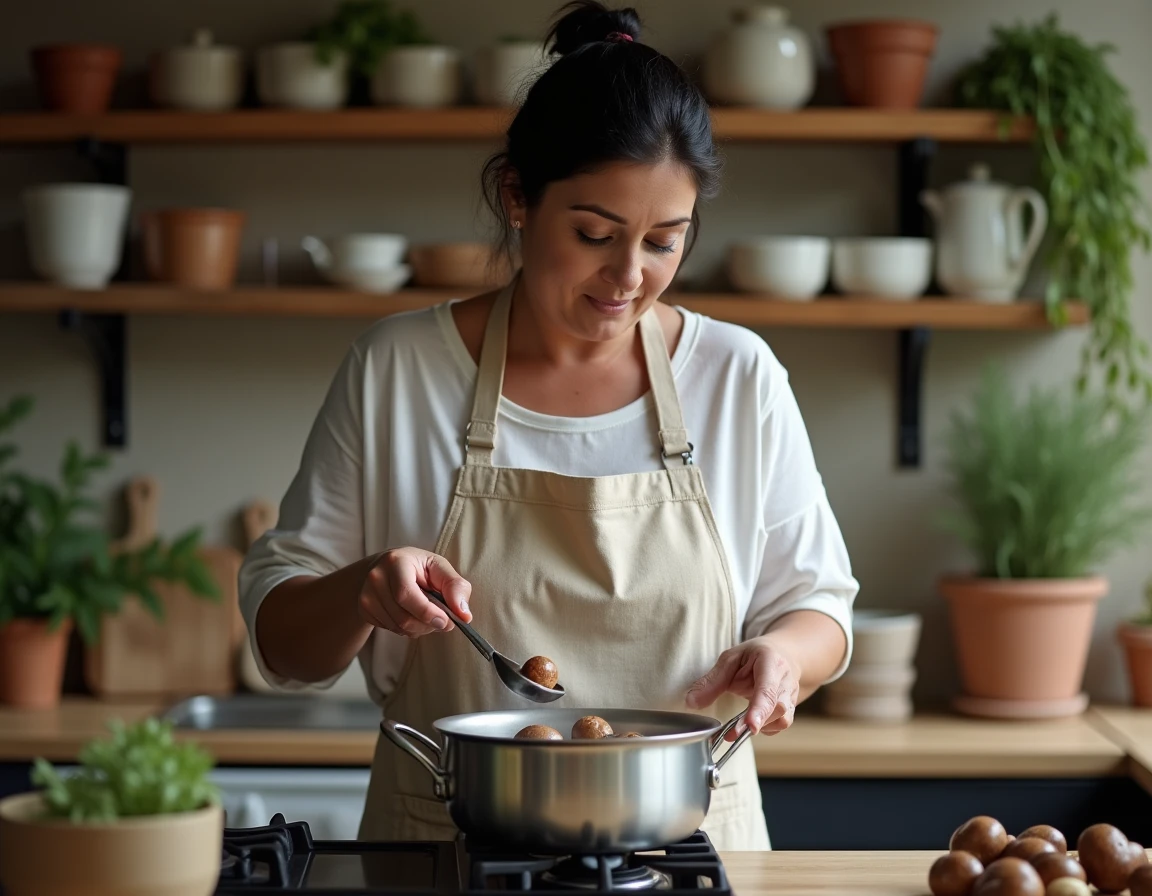
The chanterelles sometimes develop a pronounced bitterness that surprises even experienced foragers. This bitterness varies from batch to batch, and its cause is not limited to cooking. Understanding what triggers it allows for the selection of the right method to mitigate it, whether before, during, or after preparation.
Water Stress and Chanterelle Bitterness: How Weather Affects Flavor
The bitterness of chanterelles is not a constant. It fluctuates according to the climatic conditions at the time of growth. Mycologists and field foragers report that bitterness significantly increases during drought or heatwaves while the mushroom is growing.
Water stress forces Craterellus cornucopioides to concentrate certain compounds in its tissues. The result: drier, thinner chanterelles that are noticeably more bitter than those harvested after a regular rainy period.
This variable is rarely mentioned in recipe cards, even though it explains why the same cooking technique yields a satisfactory result one year and a disappointing one the next. Before modifying your recipe, it is worth knowing if you are working with chanterelles harvested during a dry period, as in this case, several combined steps will be necessary to reduce the bitterness of chanterelles noticeably.
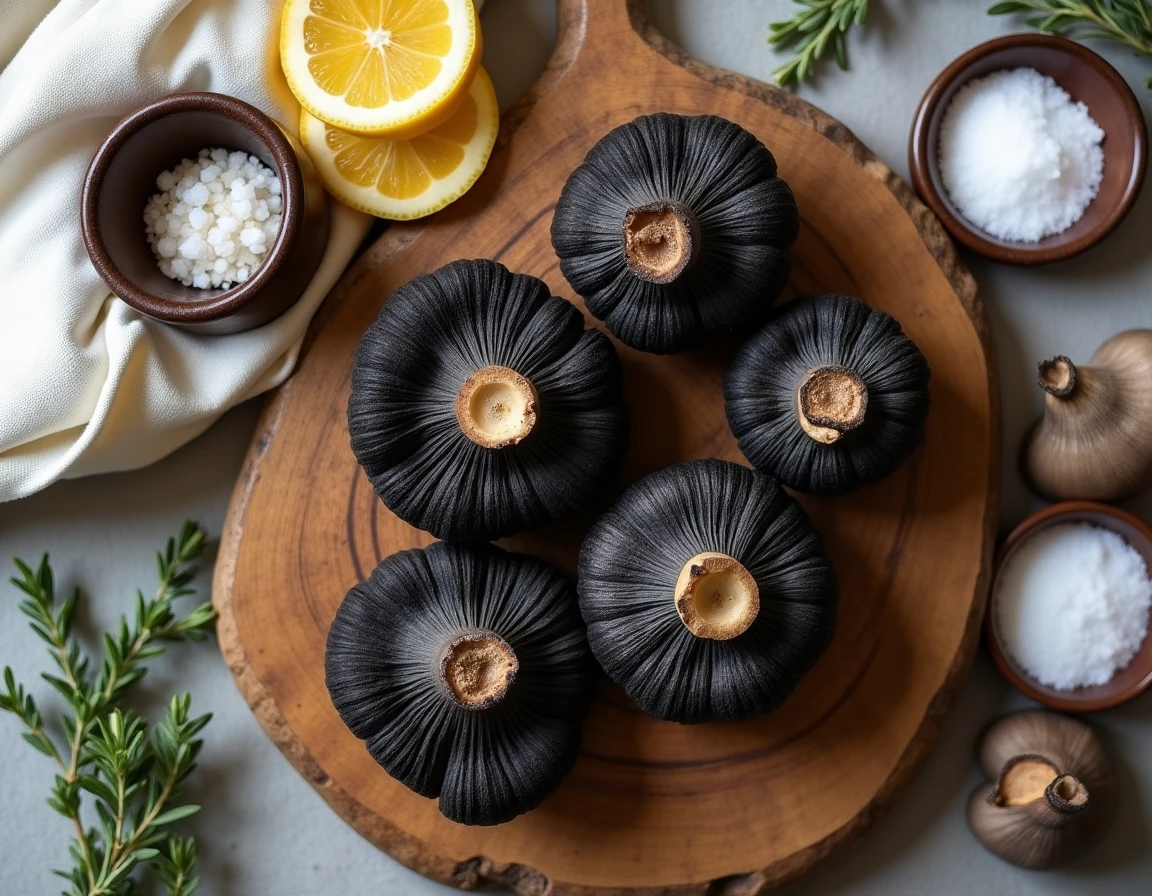
Comparison of Methods to Mitigate Chanterelle Bitterness
Several approaches exist, but they do not act at the same stage or with the same effectiveness. The table below summarizes the main techniques and their effects on flavor and texture.
| Method | Principle | Effect on Bitterness | Impact on Texture |
|---|---|---|---|
| Soaking in Milk | The dairy medium absorbs some of the bitter compounds | Notable reduction | Slightly softened texture |
| Dry Pre-Cooking (Pan) | Complete evaporation of the mushroom’s internal water | Moderate to strong reduction | Firm texture, concentrated aromas |
| Quick Blanching in Water | Partial extraction of water-soluble compounds | Moderate reduction | Loss of structure, diluted flavors |
| Pairing with “Round” Ingredients | Masking bitterness with sweet and fatty flavors | Perceptual masking (no elimination) | No direct impact |
| Freezing After Dry Pre-Cooking | Preservation without concentration of bitterness | Sweeter taste upon thawing | Good structure |
The differences between these methods are significant. Blanching, often recommended by default for wild mushrooms, presents an unfavorable bitterness/texture ratio for chanterelles: it reduces bitterness but also dilutes the aromas and characteristic flavor of the mushroom.
Milk Soaking and Dry Cooking: Two Techniques to Favor
Soaking in a Dairy Medium
Soaking chanterelles in whole milk for one to two hours before cooking is a technique borrowed from the preparation of bitter mushrooms like certain lactaires. The dairy medium captures bitter compounds without altering the aromas as much as pure water does.
After soaking, simply drain the mushrooms thoroughly and pat them dry before placing them in the pan. This draining step is crucial, as excess moisture prevents the Maillard reaction and keeps the mushroom in a “steamed” cooking state that does not promote flavor development.
Dry Pre-Cooking in a Pan
Cooking the chanterelles over medium heat without fat until all their water evaporates is the most direct method to concentrate aromas while reducing bitterness. The water released by the mushroom carries away some of the soluble bitter compounds.
Once the water is completely evaporated, butter or oil is added. This two-step sequence (dry, then with fat) produces firm chanterelles, with a pronounced forest flavor but very reduced bitterness. It is also the method recommended by several restaurant professionals.

Freezing Chanterelles: The Pitfall of Raw Freezing
Freezing can either worsen or contain bitterness, depending on the method chosen. Feedback from North American foragers documents a clear difference between two approaches.
- Raw Freezing (without pre-cooking): raw frozen chanterelles tend to concentrate a slight bitterness upon thawing, as cell rupture releases compounds that were not perceptible when fresh.
- Freezing after dry cooking in a pan: chanterelles that have already been rid of their internal water retain a sweeter taste and better texture once thawed.
- Freezing after blanching: intermediate result, with a softer texture and less pronounced aromas than dry pre-cooking.
For long-term preservation, dry cooking before freezing yields a sweeter taste upon reuse. This simple precaution makes the difference between pleasant chanterelles and a dish dominated by bitterness.
Culinary Pairings: Ingredients that Break Bitterness in the Mouth
Several restaurant professionals use ingredients with a “round” flavor profile not only for flavor pairing but explicitly to mitigate the perception of residual bitterness from chanterelles in the mouth.
- Sweet fats (mascarpone, butter, cream) coat the palate and reduce the direct perception of bitterness.
- Starches (potatoes, polenta, squash) provide a texture and sweetness that balance the mushroom on the plate.
- Eggs, in omelets or scrambled, create a binding that tempers bitter notes while highlighting forest aromas.
- Hard cheeses, grated at the end of cooking, add umami that diverts attention from bitterness.
Fresh parsley, added off the heat, brings a freshness that complements the effect of these pairings without masking the mushroom’s own flavor. In contrast, acidic associations (reduced white wine, vinegar) can accentuate bitterness instead of compensating for it.
Combining an extraction method (milk soaking or dry cooking) with a round culinary pairing yields the most consistent results, even with chanterelles harvested in a dry year. Preparation and accompaniment form a system, not two isolated actions.