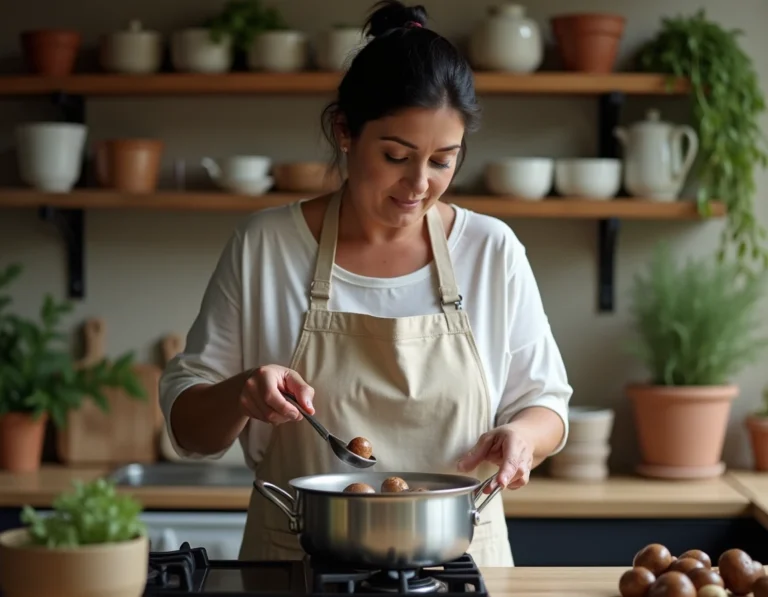
The mock orange, with its fragrant white flowers, is a favorite in gardens dedicated to aesthetics and scent. The propagation of this plant offers gardeners the opportunity to expand their collection at no additional cost. Cuttings prove to be a particularly effective method for propagating the mock orange, allowing for the growth of new specimens that are true to the parent plant. This technique requires precise know-how to ensure the success of rooting and the development of the cuttings. Passionate gardeners constantly seek to refine their methods to achieve optimal results and thus beautify their green spaces with this charming and fragrant plant.
Mastering Mock Orange Cuttings: Techniques and Practical Tips
Mock Orange: Cuttings This method of vegetative propagation allows gardeners to create new plants. The mock orange, a shrub known for its fragrant flowers, is particularly receptive to this technique. To succeed with cuttings, choose a favorable time, ideally late summer, when the plant has completed its active growth but has not yet entered dormancy. Regarding cutting techniques, take healthy stems from the year, measuring between 15 and 20 centimeters, and featuring several nodes. A clean cut just below a node will encourage root development. The use of rooting hormones is recommended to stimulate this process; apply them to the lower part of the cutting before planting. The practical gardening tips for cultivating the mock orange after cutting are essential. Ensure that the substrate is light and well-draining to prevent the cuttings from rotting. Maintain consistent moisture without saturating the soil. A stable growing environment and protection from extreme weather will accelerate root formation. For tips and advice from experienced gardeners, covering the cuttings with a glass bell or a clear plastic bag can create an ideal microclimate. After rooting, gradually removing this protection will acclimate the young plants to outdoor conditions. Careful monitoring and regular maintenance will lead to the development of robust and flourishing plants. 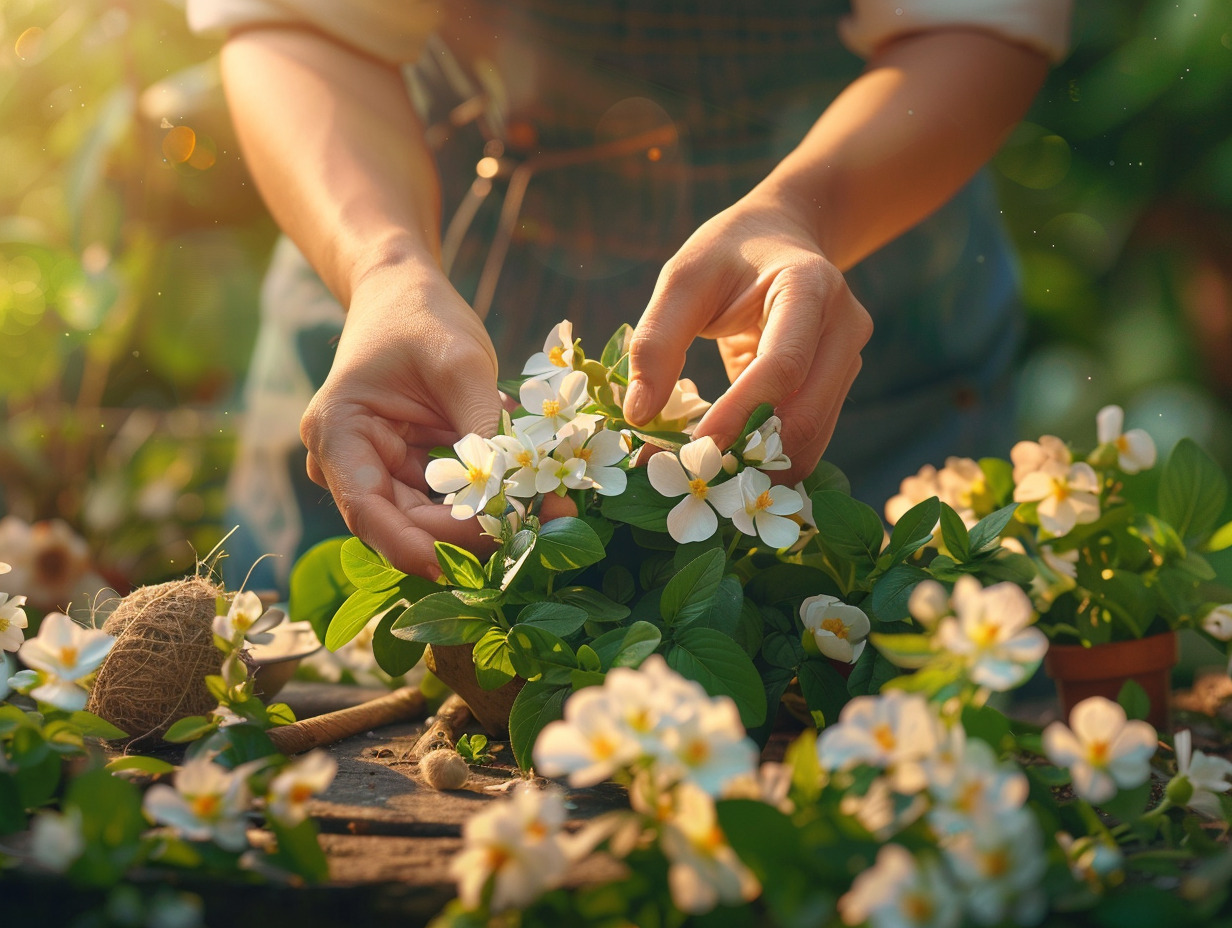
From Cutting to Flourishing Plant: Monitoring and Caring for the Mock Orange
Once the mock orange cuttings are rooted, a fundamental phase begins: the monitoring of growth and care for these future ornamental shrubs. Rigorous monitoring of irrigation and light exposure is essential for the health of the young plants. The mock orange, with its adaptability, shows tolerance to various conditions; however, special attention must be paid to water balance and protection from strong winds or scorching sun. Be sure to mulch the soil to retain moisture and moderate temperature fluctuations. The flowering of the mock orange, a highly anticipated moment, blooms from May to June, offering a display of fragrant flowers that crown months of careful care. To reach this stage, follow a balanced fertilization program that promotes growth without excess, which could compromise flower quality. Potassium-rich fertilizers are recommended to stimulate the blooming of flower buds. The technical gardening tips for the mock orange also suggest gentle pruning after flowering, allowing the shrub’s shape to be maintained and encouraging the production of new flowering shoots for the following season. A garden of fragrant flowers is built with patience and expertise, and the mock orange, through these methods, stands as an example of horticultural success.