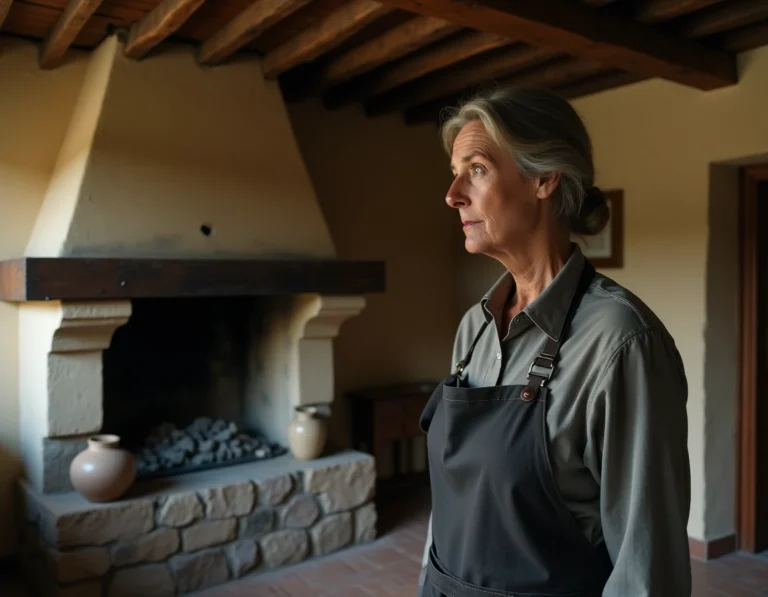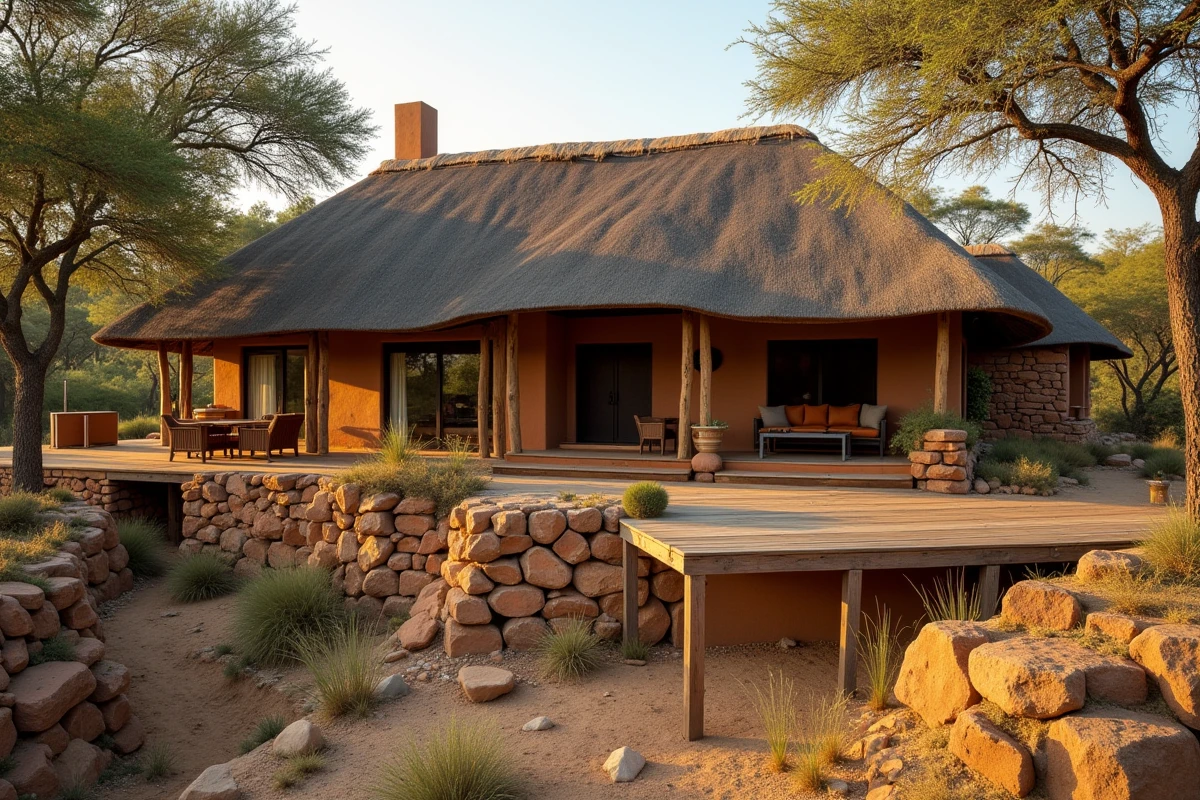
A wheelchair user booking a lodge in the African bush or in the Swiss Alps cannot rely on the term “accessible” in a booking listing. The terrain, the width of the doors, the nature of the ground between the parking lot and the room: everything changes between an urban hotel that meets ERP standards and an isolated accommodation built of wood on stilts.
It is this on-the-ground reality that should guide the choice between hotel and lodge, well before considering the ambiance or standard.
Real accessibility of an isolated lodge versus a standard hotel
A classified hotel in France meets specific regulatory obligations regarding accessibility: width of corridors, elevators, adapted restrooms. These standards are checked during the star rating process. A lodge, by nature located off the beaten path, often escapes this framework.
On the ground, feedback varies on this point. Some high-end lodges in Patagonia or Southern Africa have ramps and ground-floor rooms designed from the outset. Others, more rustic, feature dirt paths, uneven stone steps, or wooden walkways without railings. No website photo can replace a direct conversation with the manager about the exact layout of the premises.
To assess real accessibility before booking, one can rely on several concrete checks:
- Request photos or a video of the route between the parking area and the room, including door thresholds and the nature of the ground (gravel, sand, wood)
- Check if the bathroom has a walk-in shower or a raised bathtub, and if grab bars are installed
- Ask the staff about the distance between common areas (restaurant, observation terrace) and the accommodation, especially if the lodge is spread out over sloping terrain
- Consult reviews from travelers with reduced mobility on booking platforms, filtering by keyword
To better understand what structurally distinguishes these two types of accommodation, one can refer to the definition of a lodge in tourism, which details the architectural characteristics and the relationship to the natural site.

Hybrid lodge or eco-lodge: what the label changes for the traveler
In recent years, a trend has emerged in Europe: the hybrid lodge. This format combines the nature immersion of the traditional lodge with services borrowed from classic hospitality, such as a reception available continuously or structured dining services. According to the Skift Research report from January 2025, this formula meets a post-pandemic demand for balance between authenticity and convenience.
In France, a new “Sustainable Lodge” label now requires annual audits on the carbon footprint of accommodations claiming to be lodges. This is a useful distinction: a labeled establishment has undergone external control, which provides a minimum guarantee of its environmental commitments. Classic hotels are not subject to this type of specific audit.
The eco-lodge takes the logic further. It is a lodge whose design relies on local materials, autonomous water management, and sometimes solar energy production. Comfort can vary greatly: some eco-lodges offer discreet luxury, while others provide a more spartan experience. The term “eco” says nothing about the level of comfort; one must read the details of the services.
Safari lodge and mountain lodge: two experiences, two constraints
All lodges are often grouped under the same label, but a safari lodge in Kenya and a mountain lodge in Andorra have almost nothing in common operationally.
The case of the safari lodge
The safari lodge places the traveler in direct contact with wildlife. The accommodation often consists of platform tents or bungalows open to the bush. African operators have faced increased awareness among tourists regarding ethical impacts on wildlife in recent years, pushing safari lodges toward more transparent practices.
Proximity to animals imposes strict safety rules: guided movements after dark, fenced perimeters, armed guides in certain reserves. This is not a detail of ambiance; it is a constraint that structures the stay.
The mountain lodge
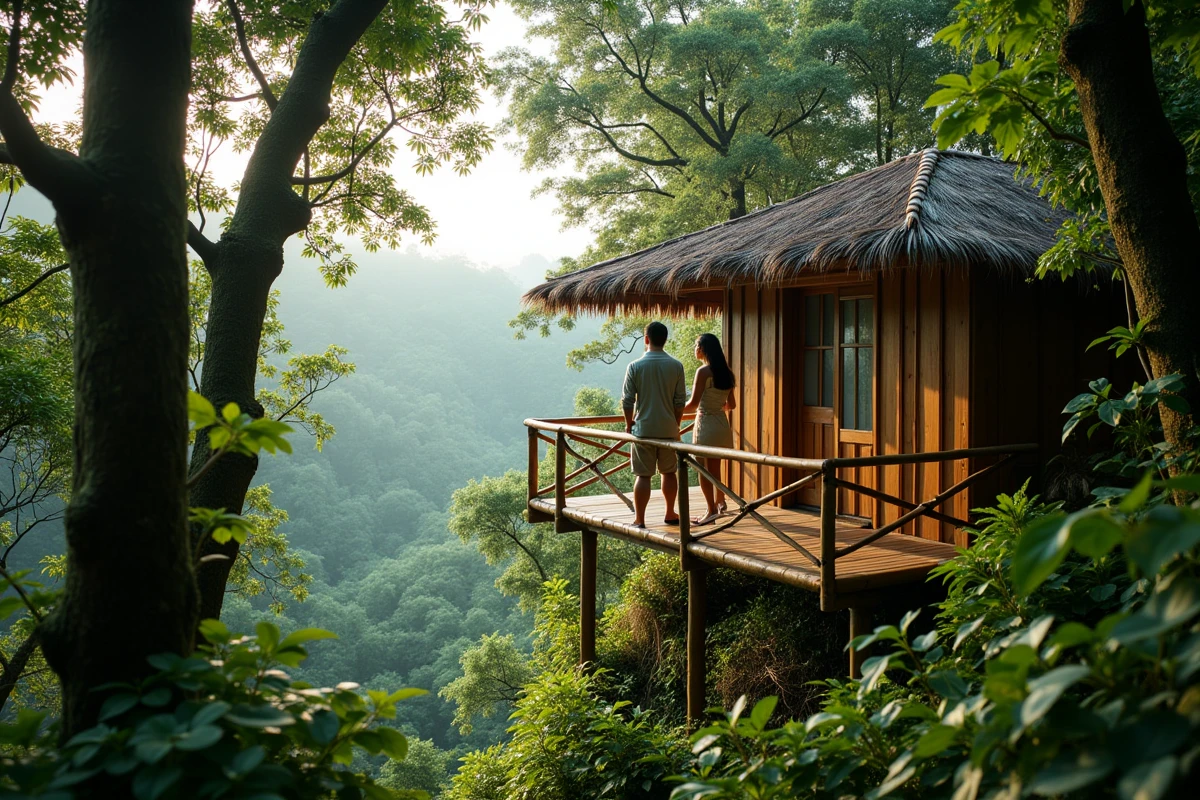
In the mountains, the lodge emphasizes local architecture (solid wood, stone) and proximity to trails or slopes. The Ovella Negra Mountain Lodge in Andorra, for example, focuses on integration into the landscape and direct access to outdoor activities. Comfort often approaches that of a three or four-star hotel, with a restaurant and heated common areas.
The key difference with a resort hotel: the mountain lodge deliberately limits its capacity. We are talking about a few rooms or suites, rarely more than twenty, compared to several hundred in a chain hotel.
Choosing between hotel and lodge: the criteria that really matter
The choice is not limited to “nature versus city.” Here are the operational criteria that sway the decision:
- The duration of the stay: an isolated lodge is well-suited for two to four nights of immersion, but the lack of varied services may weigh beyond that. A hotel offers more flexibility for longer stays
- The profile of the group: traveling with young children or a person with reduced mobility strongly leans towards the hotel, unless the lodge is specifically adapted and verified in advance
- The type of experience sought: wildlife observation, hiking from the door, total disconnection—all point towards the lodge. Business meetings, cultural outings in the city, shopping—those are for the hotel
- The actual budget: a high-end lodge in South America or Africa can cost significantly more than an urban four-star hotel, as isolation increases logistics costs
Resilience to climate-related events also deserves mention. Isolated lodges, thanks to their small scale and use of local materials, often adapt better to extreme weather events than large hotel complexes.
The best reflex is to contact the establishment directly, whether lodge or hotel, with a precise list of questions tailored to one’s situation. Online listings, even detailed ones, do not always reflect the on-the-ground reality.